

2026: A Year of Tension, Transition, and Quiet Leadership in Tourism and Sustainability
After years of pledges, strategies, and targets, 2026 is shaping up to be a year of reckoning.
In recent weeks, Aotearoa has seen firsthand how accelerating climate impacts are affecting tourism and local communities in Northland, Bay of Plenty and Te Tairāwhiti. At the same time, climate response funding is becoming more constrained, political decision-making more cautious, and community concern more pronounced. While there is growing acknowledgement from political leaders of climate change and severe weather impacts, this is increasingly accompanied by policy reversals and the reallocation of funding previously earmarked for climate-related response.
Frustratingly, tourism once again, sits in the middle of these competing forces.
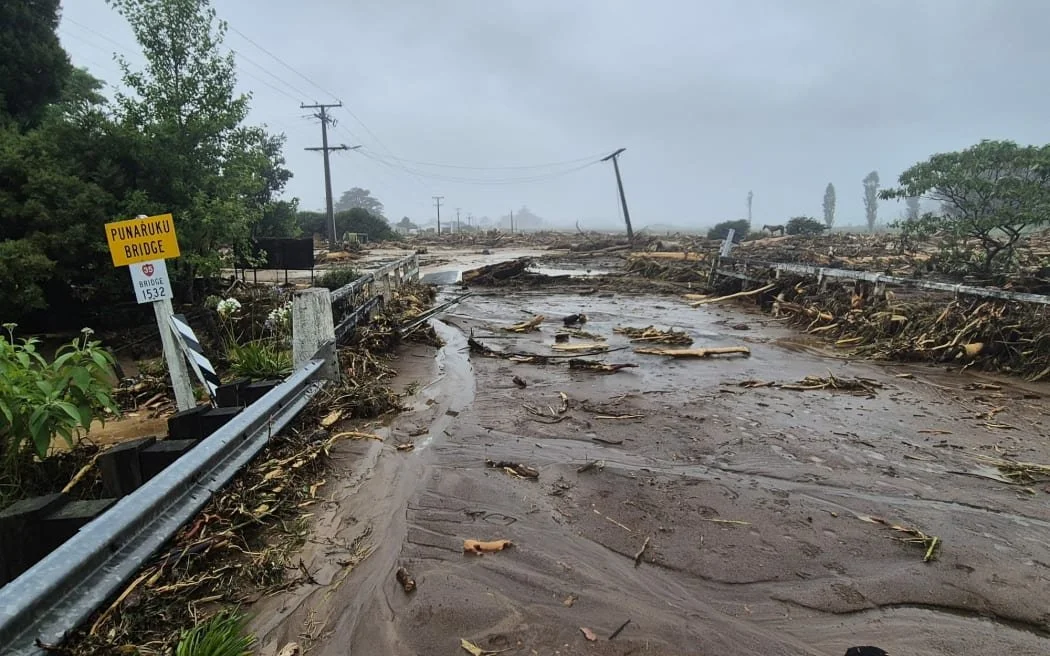
Photo credit: RNZ Gisborne flooding January 2026
This year won’t deliver a single defining breakthrough. Instead, it will reveal who is prepared to act in challenging conditions, and who isn’t. Here’s what we see unfolding in 2026.
The Climate-Tourism-Policy Disconnect Will Continue
Globally, the gap between climate science, tourism growth ambitions, and public policy is not closing, it’s widening.
In recent years, we have seen tourism strategies strengthened their references to sustainability, resilience, and regeneration. However for the most part, have avoided addressing fundamental tensions: growth versus limits, emissions versus expansion, and economic benefit versus community cost. Climate commitments exist, but implementation and delivery is often fragmented and under-resourced. Meaning actions and outcomes often do not correspond.
In 2026, this disconnect will become harder to ignore. Climate impacts are no longer abstract risks only affecting a few; they are becoming operational realities which we see affecting tourism on the daily; disrupting businesses, supply chains, destinations, events, and visitor confidence. At the same time, policy frameworks at both a local and central Government level lag behind what science demands and what communities are increasingly calling for.
Tourism is increasingly expected to ‘do more with less,’ without the policy alignment needed to enable real change. In Aotearoa, local councils that are the primary funder of regional tourism offices are simultaneously reducing budgets and expecting continued growth in visitation - which becomes an increasingly untenable contradiction.
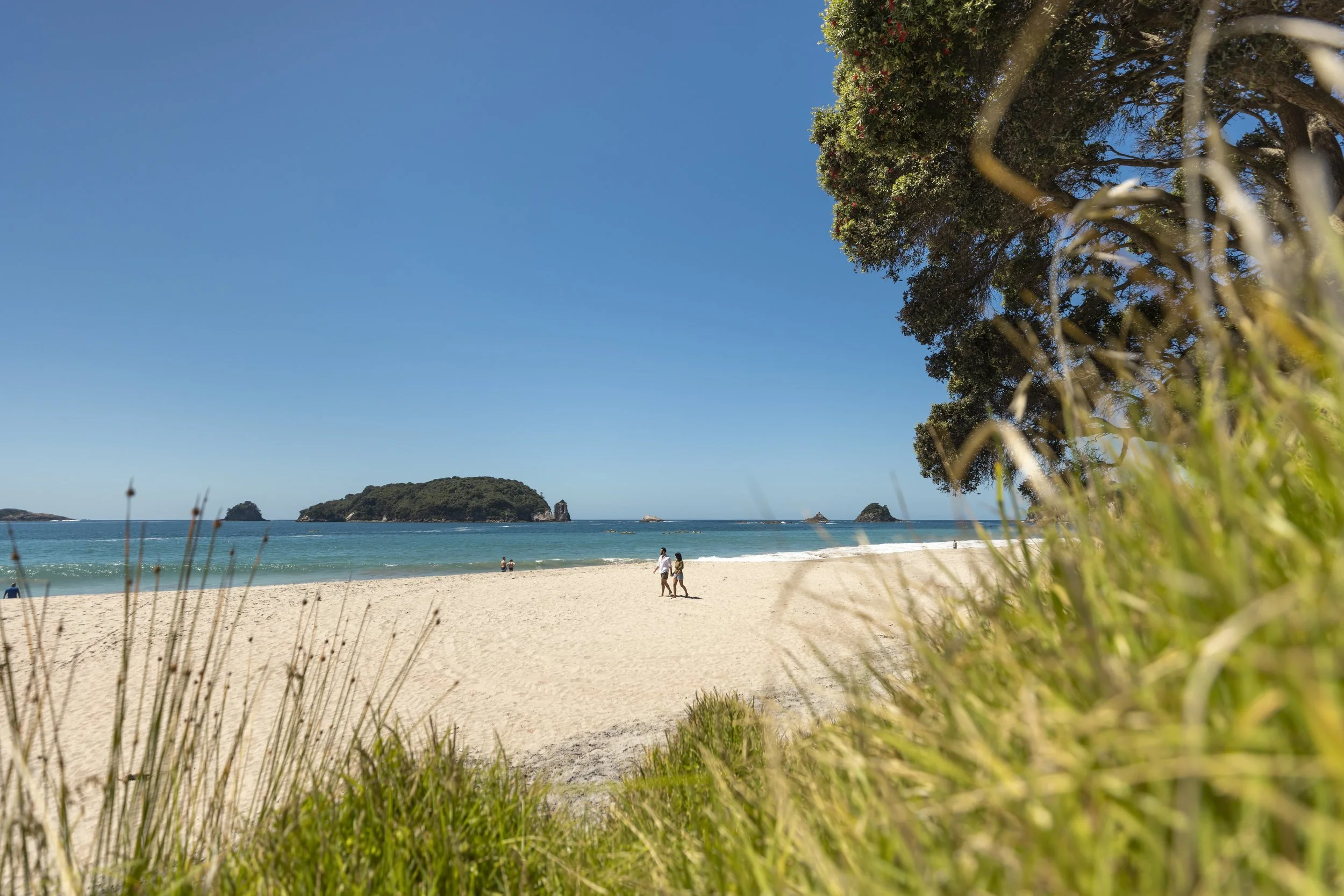
Photo: TNZ Hahei beach
Political Shifts Will Shape the Pace but Not the Need for Action
As there has been a global shift toward more right-leaning governments in the last 3 years, this has begun to influence how sustainability shows up across tourism and the visitor economies;
This hasn’t mean climate action has disappeared. But it has meant:
Less regulatory pressure - shifting away from mandatory requirements
Fewer new incentives or funding mechanisms for climate related initiatives or organisations
Greater reliance on voluntary action, and by community organisations
Heightened scrutiny of sustainability or climate spend
Reduction in the importance and support of climate action
Renewed focus on high-volume tourism over high value tourism
Community sentiment and feedback given lower prioritisation
In this environment, leadership in sustainability becomes disconnected. Organisations that have embedded climate and impact considerations into governance, risk management, and strategy will continue to progress. Those relying on government direction or funding will face slower progress and momentum. The need for action does not diminish but responsibility shifts more decisively onto organisations themselves.
New Zealand: An Election Year That Constrains Momentum
In Aotearoa New Zealand, 2026 being an election year matters regardless of which party ultimately forms government. Election years limit political appetite for long-term or potentially controversial decisions. For the tourism and events sectors, this means:
Fewer new policy initiatives in the second half of the year through until early 2027
Limited funding announcements (if any) in the second half of 2026
A tendency toward short-term positioning rather than structural reform
The potential for months without a confirmed Minister of Tourism once parliament has been disolved ahead of the election on 7th November
A centre-left government would likely signal a return to more progressive policy settings over time. A centre-right government would continue with a more conservative approach. But either way, 2026 itself will be constrained.
For organisations waiting on political clarity before acting, this creates risk. Those that continue to build capability independently of electoral cycles will be far better placed regardless of the outcome.
Decarbonisation Will Continue - But Unevenly
Despite political and funding pressures, decarbonisation will not stop in 2026. But it will look different.
We will see fewer public announcements and more internal work:
Emissions data becoming more robust, and reporting methods harmonised
Greater attention on Scope 3, even when uncomfortable
Procurement and supply-chain decisions carrying more weight
Climate risk being discussed alongside financial and operational risk
Leadership in this space will increasingly come from organisations that view climate action as a resilience and risk issue, not a marketing exercise. They may not be the loudest but they will quietly influence standards and expectations for others.
Upskilling Will Shift from Operations to Strategy
One of the clearest signals for 2026 is a change in what sustainability capability looks like.
The focus is moving beyond:
Basic operational ‘green wins’
One-off carbon footprints
High-level strategies that don’t translate into decision-making
Instead, demand is growing for skills in:
Net Zero transition planning
Climate-related crisis management
Impact measurement and evaluation
Governance, accountability, and credible reporting
Sustainability is no longer a discrete function. It is intersecting with risk, finance, workforce planning, reputation, and long-term viability. Organisations that invest in this deeper capability will be better equipped to navigate uncertainty whether that be political, environmental, or economic.

Impact Will Matter More Than Activity
In 2026, activity alone will no longer be enough.
Stakeholders are increasingly asking:
What changed as a result of this initiative?
Who benefited, and who didn’t?
What outcomes are being tracked over time?
This is particularly relevant in tourism and events, where ‘legacy’ and ‘impact’ have often been loosely defined. The shift toward clearer efficient ways to measure impact, identify and align with realistic indicators, and meaningful evaluation will continue especially where public trust is fragile.
Doing fewer things well, and understanding their impact, will matter more than doing many things poorly.
Quiet Leadership Will Define the Year
Perhaps the most important pattern to watch in 2026 is this: the real leaders are already visible.
They are the organisations that:
Continue investing in capability despite funding pressure
Stay consistent despite political noise
Are honest about trade-offs and limitations
Focus on long-term outcomes and change, not just the short-term wins
They don’t wait for perfect conditions. And they don’t outsource responsibility for sustainability to government alone.
Looking Ahead
2026 is not going to be a breakthrough year. It is going to become a sorting year.
It will separate:
Commitment from compliance
Leadership from lip service
Strategy from aspiration
For tourism and events, the question is no longer whether sustainability and impact matter but whether organisations are prepared to do the work when conditions are challenging, and political environments are changing.
That work is already underway. Quietly. Purposefully. And it will shape what comes next here in Aotearoa New Zealand.